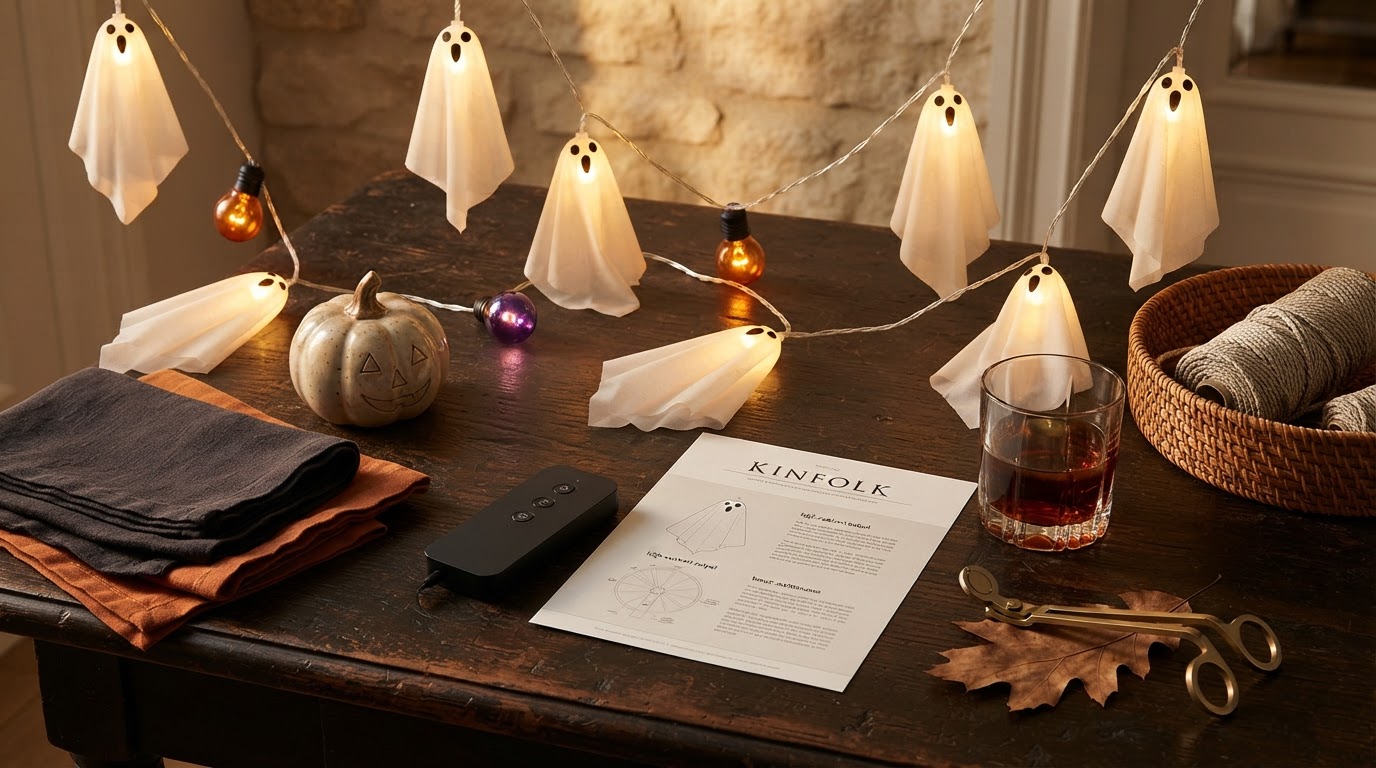
Optimizing Spooky Strings Lights for High-Contrast Displays
 Sam VasquezBuying Guide Lead
September 10, 2026. This analysis explores the technical requirements for deploying high-contrast orange and purple LED string lights in residential settings. It is written for homeowners and professional decorators who prioritize color accuracy and longevity over disposable seasonal alternatives.
The Technical Challenge of Halloween Color Palettes
When I look at modern holiday lighting, the shift toward LED technology has introduced a specific set of challenges for the traditional Halloween color scheme. Achieving a true, saturated purple is notoriously difficult in the LED space because the wavelength required often veers into ultraviolet or a washed-out pink. Similarly, many orange LEDs can appear more yellow or amber depending on the diode quality. According to research from the Lighting Research Center at Rensselaer Polytechnic Institute, the human eye perceives color saturation differently based on the ambient light environment, meaning a string of lights that looks vibrant in a dark room might lose its impact when competing with streetlights or neighboring displays. This is why many generic purple and orange halloween lights fail to deliver that crisp, high-contrast look once they are actually installed on a porch or roofline. Most consumers end up with a muddy visual because the light intensities between the two colors aren't balanced. Purple naturally has a lower lumen output than orange at the same wattage, so a poorly engineered strand will see the orange completely overpower the purple. If you are aiming for a professional-grade aesthetic, you cannot simply grab the first box you see at a big-box retailer. You need to consider the diode density and the color temperature of the individual chips to ensure neither color bleeds into the other.
Engineering the Spooky Strings Lights Experience
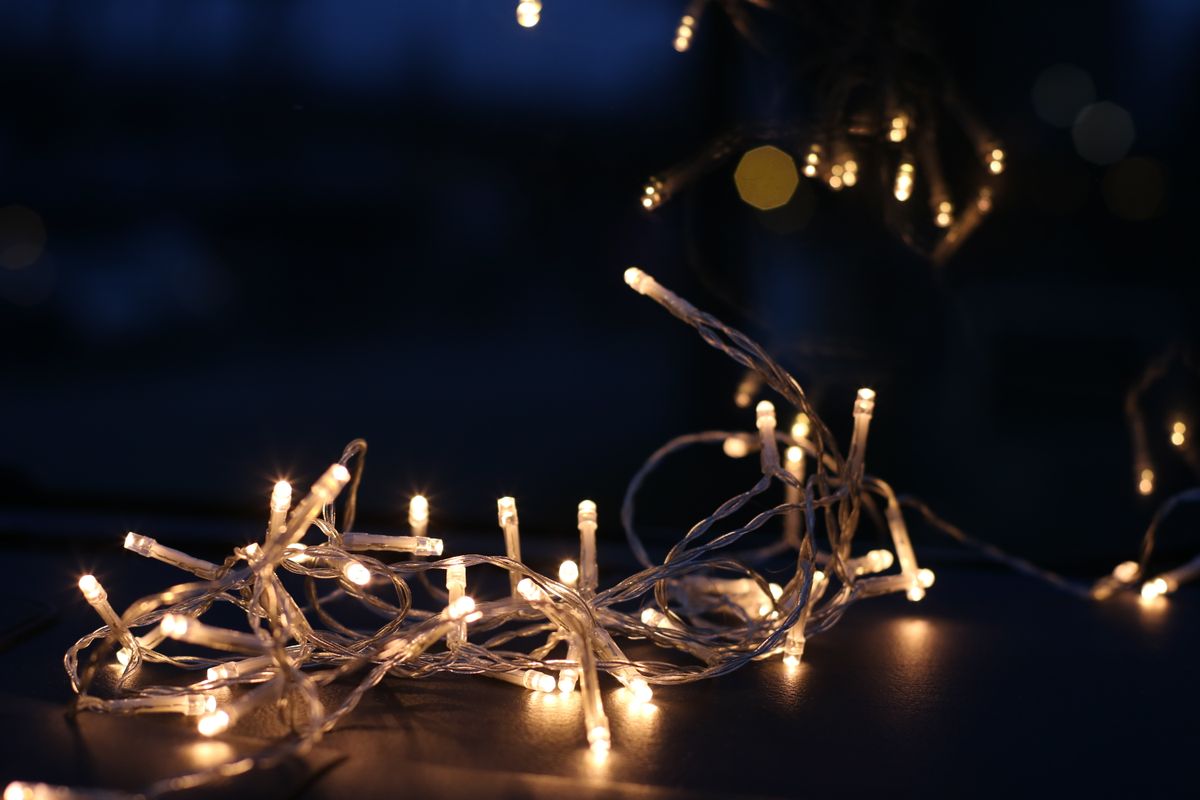
Photo by Dzenina Lukac on Pexels
At Spooky Strings Lights, the focus is on maintaining that specific spectral balance between the 600nm orange and the deep 400nm purple ranges. While many manufacturers use a single-chip design that tries to approximate these colors, our approach involves dedicated diodes that are binned for color consistency across the entire length of the strand. This ensures that the first bulb looks identical to the hundredth bulb. When you are working with orange and purple led string lights, the spacing of the bulbs is just as important as the color itself. We use a tighter pitch to prevent the 'dark spots' that often plague cheaper alternatives. This density is what allows the colors to mingle without blurring into a brown or neutral hue. Between these two colors, I've found that the purple diode is the one that usually fails first in low-quality sets due to heat management issues. Spooky Strings Lights utilizes a weather-resistant housing that protects the internal circuitry from the expansion and contraction caused by October temperature swings. This is critical because a single failed diode in a series-parallel circuit can dim the entire section, ruining the symmetry of your display. Skip this if you are only looking for a one-night solution for a small indoor party; these are built for sustained outdoor use throughout the entire season. For those who are comparing different purple and orange halloween lights, the primary differentiator here is the wire gauge and the UV-inhibitors in the plastic housing, which prevent the vibrant colors from fading under direct sunlight during the day.
Selecting the Right Configuration for Your Space
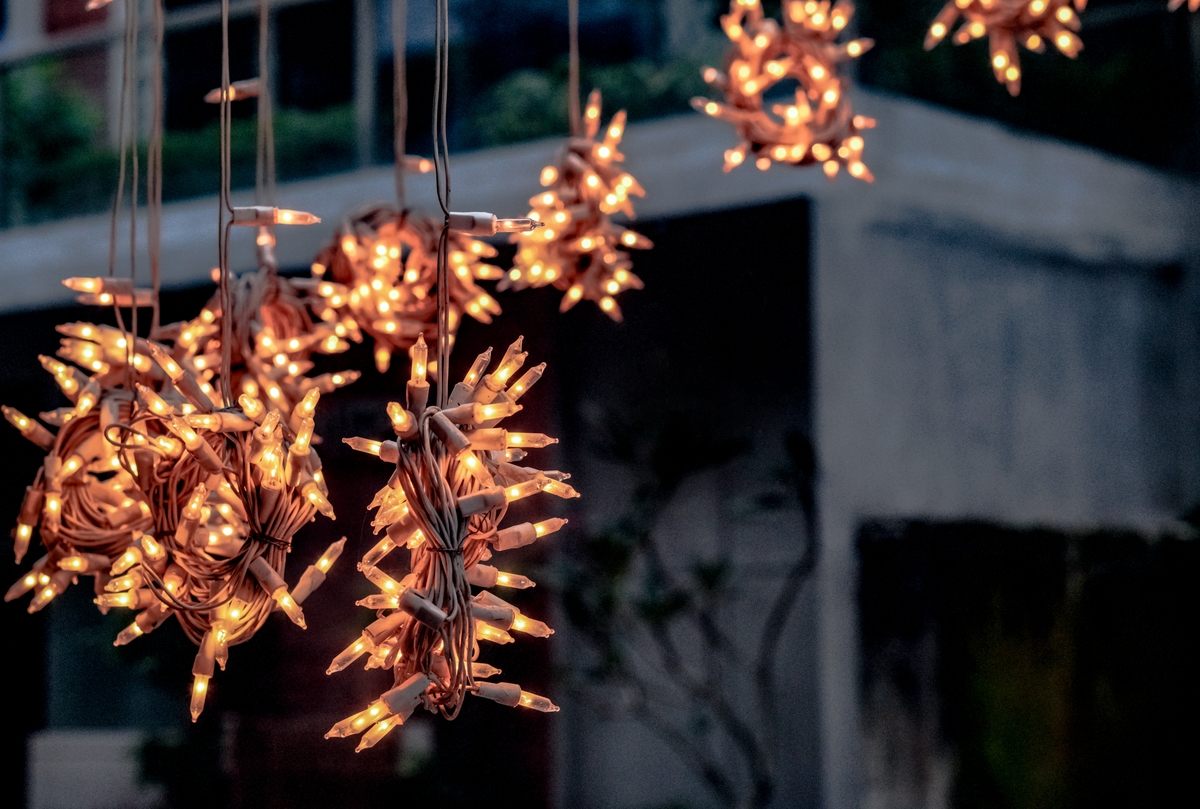
Photo by Ahnaf Piash on Pexels
Choosing the right hardware depends entirely on your specific architecture and the existing light pollution in your neighborhood. If you're on a budget, you might be tempted to buy several short, battery-operated strands, but I would advise against that for anything other than tabletop decor. For a full exterior setup, here's what I'd actually buy: a high-count, plug-in LED set with a dark wire that disappears against the eaves of the house. This allows the orange and purple led string lights to appear as if they are floating in space. When evaluating your options, use this framework to ensure you aren't wasting money on gear that will end up in a landfill by November. First, check the IP rating; for outdoor use, you want something that can handle a downpour without tripping a breaker. Second, look for end-to-end connectivity that doesn't sacrifice brightness as you add more strands. Third, verify the flicker rate. Low-quality LEDs use cheap rectifiers that cause a visible strobe effect, which can be distracting or even nauseating in a residential setting. Finally, ensure the 'orange' is a true pumpkin orange, not a warm white or a pale yellow.
- Verify IP65 or higher for outdoor durability.
- Confirm the lead wire length is sufficient for your power source.
- Check for 'stay-lit' technology where one bulb out doesn't kill the strand.
- Look for a matte finish on the bulbs to reduce harsh glare.
- Ensure the controller (if included) has a memory function for your preferred pattern.