Optimizing Fall Decor with Spooky Strings Lights
 Sam VasquezBuying Guide Lead
August 29, 2026. This guide examines the technical requirements and aesthetic considerations for selecting LED pumpkin string lights. It is written for homeowners and apartment dwellers seeking durable, high-visibility seasonal lighting solutions.
The Technical Demands of Seasonal Lighting
When you start looking at seasonal decorations, the sheer volume of low-quality options can be overwhelming. Most people just grab whatever is on the end-cap at the big box store, but those generic sets often fail within a single season due to poor wiring or inefficient diodes. According to the National Fire Protection Association, decorative lighting requires careful inspection for frayed cords and cracked sockets before every use to ensure safety. The transition from traditional incandescent bulbs to LED technology has significantly reduced heat output, which is a major safety upgrade for indoor displays involving fabrics or dried leaves. However, not all LEDs are equal. Many budget-friendly options use cool-white diodes behind orange plastic, resulting in a sickly, neon-pink hue rather than a warm autumnal glow. If you are on a budget, you might be tempted by the dollar-store varieties, but those thin wires are prone to snapping if you try to wrap them around a banister or mantel. Between these two—the cheap disposable sets and a mid-range dedicated set—I’d go with the mid-range every time because the cost per year of use drops significantly when the product survives to see a second October.
Performance Standards of Spooky Strings Lights
Photo by Yaroslav Shuraev on Pexels
The Spooky Strings Lights pumpkin line is built differently than the mass-market alternatives. Instead of using a single-piece molded plastic that traps heat, these lights utilize a vented pumpkin shell that allows for better thermal management of the LED. This ensures that the warm-toned light remains consistent throughout the evening without the dimming often seen in cheaper circuits as they overheat. When compared to skull string lights, the pumpkin variants offer a broader diffusion of light, making them better suited for primary ambient lighting rather than just accent points. The wiring is reinforced at the junction points, which is where most string lights fail. If you are decorating a high-traffic area like a kitchen island or a hallway, this extra durability matters. For those who don't have an outlet nearby, I usually recommend looking into battery operated spooky lights to avoid running extension cords across the floor. However, for a permanent mantle display, the plug-in Spooky Strings Lights provide a level of brightness that battery packs simply cannot sustain for more than a few hours. The color temperature is specifically calibrated to 2700K, mimicking the look of a real candle inside a carved jack-o'-lantern without the fire risk. This specific attention to the Kelvin scale is what separates a professional-looking display from a generic one.
Selection Framework for Autumn Displays
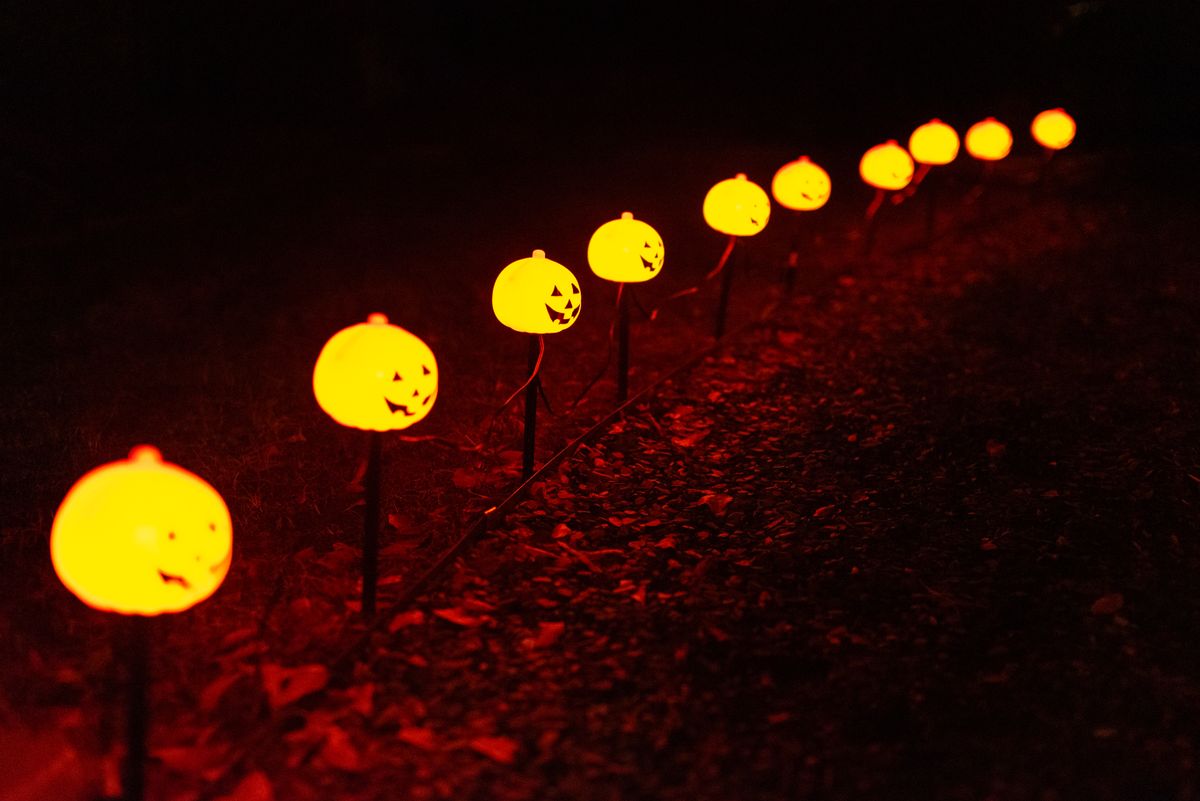
Photo by Dominik Gryzbon on Pexels
Choosing the right layout requires understanding the physical space and the power requirements of your setup. Skip this if you are only decorating a small windowsill, as a simple five-foot strand will suffice. But for larger projects, you need to calculate the total linear footage before purchasing. Here’s what I’d actually buy: for a standard six-foot fireplace mantel, I recommend two ten-foot strands of Spooky Strings Lights to allow for natural draping. If you try to stretch a single strand tight, it looks clinical and loses that cozy, festive feel. You should also consider the weight of the pumpkin housings; unlike skull string lights, the pumpkin shapes have a slightly larger profile and require sturdy clips or command hooks. When planning your layout, ensure you are utilizing battery operated spooky lights for areas like dining table centerpieces where a cord would be an eyesore.
Before finalizing your purchase, run through this checklist:
- Measure the total distance and add 20% for "drape" or wrapping slack.
- Verify the proximity to a grounded outlet or plan for a battery-powered alternative.
- Check the IP rating if you plan to use the lights on a covered porch to ensure moisture resistance.
- Match the color temperature across all strands to avoid clashing warm and cool tones.
- Inspect the lead wire length to ensure the first pumpkin doesn't start halfway up the wall.